
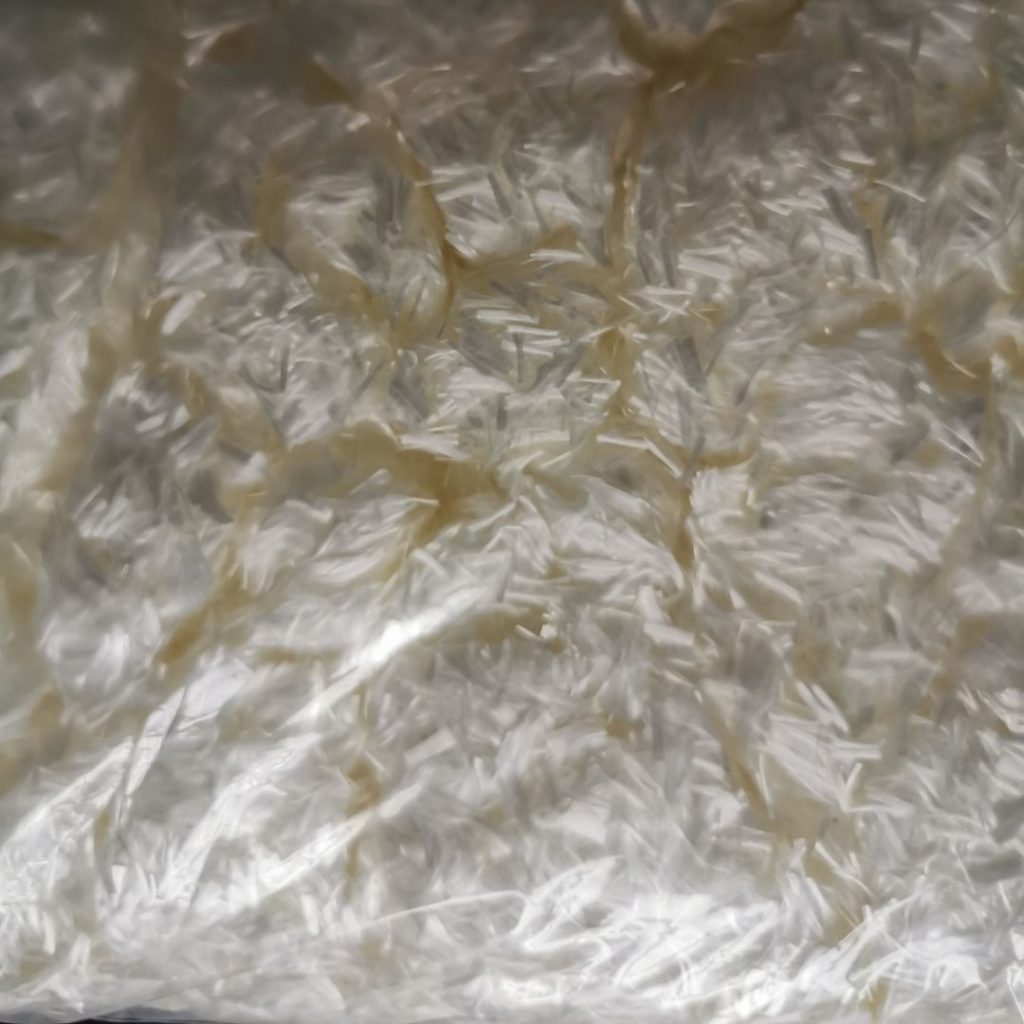
A chopped strand mat is a part of fiberglass other than fiberglass cloth. The main material is of course fiberglass with polyester resin. This type uses chopped glass strands and then arranges them evenly. This is a popular material for many uses, why is that?
Contents
Chopped Strand Mat for FRP
In general, there are several reasons why the chopped strand mat is so popular that many people use it. This fiberglass part has filler material, precise molding, and excellent defoaming. With these properties, it is clear that it is suitable as the main material in buildings that require waterproof materials.
Take a look around you, there are buildings with roofs and floor extensions using this material. It is also suitable for applications in construction that require manual fiber lamination processes.
Making this material requires several stages, initially the process of cutting strands of glass and then chopping them into small and short pieces. The process of distributing these short, small strands uses an even pattern throughout. The reason is that each chopped strand has the same strength in all parts and directions.
This fiberglass mat or chopped strand mat is more popular if you compare it to fiberglass cloth. Here are some reasons.
- The price is more affordable so it is suitable for use in large and small projects. You can buy them in sizes ranging from 3/4 oz., 1 oz., 1.5 oz., 2 oz., and 3 oz. Meanwhile, when you buy it, it will be sold per square foot, not per square yard.
- Suitable as a first layer of application together with gel. Generally, for projects that use fiberglass mats, the application is as the first layer which will stick directly to the gel layer. This is very useful especially if you consider results that are opaque to the print.
- Increases thickness between layers of fabric. This is especially useful in applications that require additional thickness. The more you add, the thicker it will automatically get, which also increases its strength. But you have to remember, adjust it to your goals. Consequently, this will increase the weight of the product. If you need a light part then you can avoid it.
- Compatible with polyester or vinyl ester resins. Because the fibers in fiberglass mats are usually random, it is not suitable to add epoxy resin.
- No need to cut it, place the feathered ends on top of each other. It can avoid seams in the laminate. When using this material, pay attention to the following tips. Tear it only without cutting it. It is good for maintaining the length of the fibers along the torn edge and creating a stronger bond with the next layer of layers.
Chopped Strand Mat, Fiberglass Cloth, and Woven Roving, which is Better?
If you need medium-weight fabric, you can choose a fiberglass mat. It is a fabric consisting of random strands of fiberglass and a binding agent. This type is more often used with other types of fabric.
It certainly fulfills its function of helping to strengthen the laminate and increase the thickness or reduce the amount of weave. Avoid the use of epoxy resin systems because chopped strands are only compatible with polyester and vinyl ester resins.
The first, of course, talks about the manufacturing process where the fiberglass cloth has various thicknesses. It consists of right-angle woven fiberglass strands. The weight of this fabric is lighter. Crafters can use it for complex projects or as a coating for wood surfaces or other media. However, there are heavier types of fiberglass fabric, the production process of which increases the quantity and thickness and carries out multilayer lamination.
Woven roving is also a part of fiberglass fabric that is easily recognized because has a rough texture. The selling price is cheaper but has more strength than traditional fiberglass cloth. Unfortunately, the rough texture is less attractive to many customers, especially for applications with high-visibility surfaces. Curved or complicated shapes should also not use this fabric because it is less flexible and makes it hard to follow multiple patterns.
Conclusion
In conclusion, which is the best among the three? It comes down to many factors, especially customer needs and the application. You can use these fabrics alone or combine them according to your needs. For example, you can mix chopped strand mats with woven roving in harder and thicker lamination.
“Chopped strand mat remains one of the most versatile reinforcements in FRP. Its random fiber orientation provides balanced strength, while the material’s ability to bond smoothly with gelcoat makes it essential for waterproofing and surface integrity. For non-structural applications, CSM alone is often more than sufficient.”
— Lucy Huang